Effective Disc Bulge Physiotherapy Treatment for Lasting Relief
- Matthew Farrow
- Feb 23
- 4 min read

Living with a disc bulge can be frustrating and painful. It often limits your daily activities and affects your overall quality of life. But the good news is that effective physiotherapy can help you manage and reduce this pain. In this post, I’ll share practical advice and clear steps you can take to ease your discomfort and regain your mobility. Whether you’re just starting to feel symptoms or have been struggling for a while, understanding the right physiotherapy approach is key.
Understanding Disc Bulge Physiotherapy Treatment
Disc bulge physiotherapy treatment focuses on relieving pressure on the affected spinal discs and strengthening the surrounding muscles. When a disc bulges, it pushes out from its normal space and can irritate nearby nerves. This causes pain, numbness, or weakness in your back and sometimes down your legs.
Physiotherapy aims to:
Reduce inflammation and pain
Improve spinal alignment
Strengthen muscles supporting your spine
Restore flexibility and movement
A typical treatment plan includes gentle exercises, manual therapy, and education on posture and movement. The goal is to help you move without pain and prevent future problems.

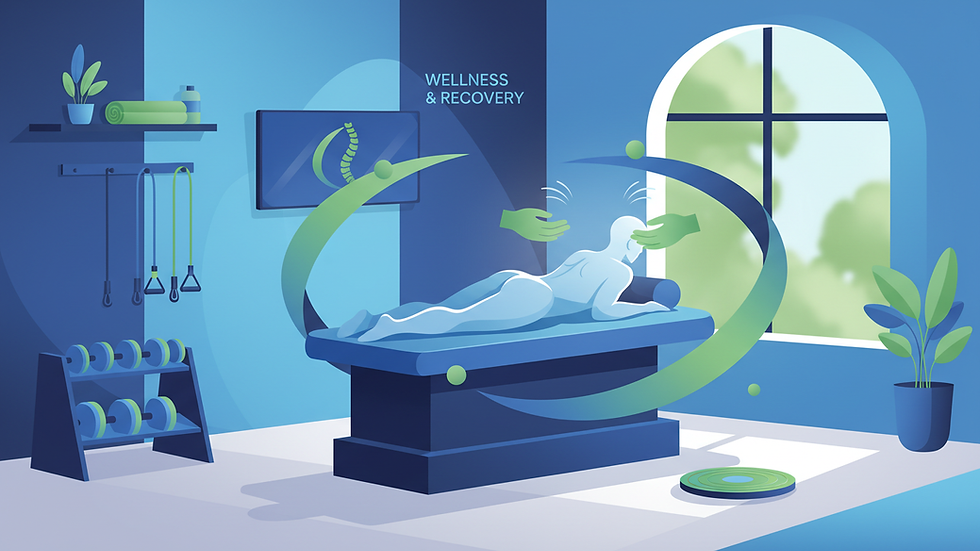
Physiotherapy clinic equipped for disc bulge treatment
Key Components of Disc Bulge Physiotherapy Treatment
When you start physiotherapy for a disc bulge, your therapist will first assess your condition carefully. This includes understanding your pain, movement limitations, and lifestyle. Based on this, they will design a personalised plan that suits your needs.
Here are some common components of effective treatment:
1. Pain Relief Techniques
In the early stages, managing pain is crucial. Your therapist may use:
Heat or cold therapy to reduce inflammation
Ultrasound or electrical stimulation to ease muscle spasms
Manual therapy such as gentle massage or spinal mobilisations
These methods help calm your symptoms so you can begin exercises comfortably.
2. Targeted Exercises
Exercise is the heart of physiotherapy for disc bulges. Your therapist will guide you through movements that:
Strengthen your core and back muscles
Improve spinal stability
Increase flexibility in tight areas
Examples include pelvic tilts, gentle stretches, and low-impact aerobic activities like walking or swimming. These exercises help support your spine and reduce pressure on the bulging disc.
3. Posture and Movement Education
Poor posture and incorrect movement patterns often contribute to disc problems. Your therapist will teach you how to:
Sit and stand correctly
Lift objects safely
Adjust your workstation ergonomics
This education helps you avoid habits that worsen your condition and supports long-term recovery.
4. Gradual Return to Activity
As your pain decreases and strength improves, your therapist will help you return to your normal activities safely. This may include work, sports, or hobbies. The key is to progress slowly and avoid sudden strain on your back.
What is the Best Therapy for Bulging Discs?
Finding the best therapy for bulging discs depends on your specific symptoms and lifestyle. However, research and clinical experience show that a combination of approaches works best.
Active Physiotherapy Over Passive Treatments
Active treatments, where you participate in exercises and learn new habits, tend to be more effective than passive ones like just resting or relying on medication. Active physiotherapy helps you build strength and control, which supports healing.
McKenzie Method
One popular approach is the McKenzie Method, which focuses on specific exercises to centralise disc pain and improve spinal function. It encourages self-treatment and empowers you to manage your symptoms.
Manual Therapy
Hands-on techniques can complement exercises by improving joint mobility and reducing muscle tension. Skilled therapists use these methods to enhance your comfort and movement.
Multidisciplinary Care
Sometimes, combining physiotherapy with other treatments like pain management or psychological support offers the best results, especially for complex or long-term cases.
If you want expert guidance tailored to your needs, consider consulting the best physio for disc bulge uk who can provide a thorough assessment and personalised plan.

Physiotherapist guiding patient through spinal exercises
Practical Tips to Support Your Physiotherapy at Home
Your progress depends not only on clinic visits but also on what you do at home. Here are some practical tips to help you get the most from your treatment:
Stick to your exercise routine. Consistency is key. Even short daily sessions can make a big difference.
Use proper posture throughout the day. Set reminders to check your posture, especially if you work at a desk.
Avoid heavy lifting or sudden twisting movements. These can aggravate your disc bulge.
Stay active but listen to your body. Gentle walking or swimming can help maintain fitness without strain.
Apply heat or cold packs as recommended. This can ease pain and stiffness.
Communicate openly with your therapist. Share any changes in pain or difficulties with exercises so your plan can be adjusted.
How to Choose the Right Physiotherapist for Your Disc Bulge
Choosing the right physiotherapist is important for your recovery. Here are some factors to consider:
Experience with spinal conditions. Look for therapists who specialise in back pain and disc issues.
Personalised care. Avoid one-size-fits-all approaches. Your therapist should tailor treatment to your needs.
Clear communication. You want someone who explains things simply and listens to your concerns.
Positive reviews and reputation. Check feedback from other patients in your area.
Convenient location and scheduling. Regular visits are easier if the clinic is accessible.
If you are in Wolverhampton, Matt Physio aims to be your top choice for specialised physiotherapy. Their expert team offers thorough diagnosis and personalised recovery plans to help you overcome back pain and complex injuries.
Moving Forward with Confidence
Living with a disc bulge can feel overwhelming, but with the right physiotherapy treatment, you can regain control over your pain and movement. Remember, recovery takes time and effort, but every step you take brings you closer to lasting relief.
By working closely with your physiotherapist, following your exercise plan, and making smart lifestyle choices, you can protect your spine and enjoy a more active, comfortable life.
If you’re ready to start your journey to recovery, don’t hesitate to seek expert help. The right support makes all the difference.
I hope this guide helps you understand how effective physiotherapy can be for disc bulge pain. Take care of your back, and keep moving forward!

Comments