Effective Sciatica Pain Relief Methods

Living with sciatica pain can be challenging. The sharp, shooting pain that travels from your lower back down your leg can disrupt your daily activities and affect your quality of life. If you’re dealing with this discomfort, you’re not alone. Many people experience sciatica, and the good news is there are effective ways to manage and relieve the pain. In this post, I’ll share practical, easy-to-follow methods that can help you find relief and get back to feeling like yourself again.
Understanding Sciatica Pain Relief Methods
When it comes to sciatica pain relief methods, the goal is to reduce inflammation, ease nerve pressure, and improve mobility. Sciatica occurs when the sciatic nerve, which runs from your lower back down each leg, becomes irritated or compressed. This can happen due to a herniated disc, spinal stenosis, or muscle tightness.
Here are some of the most effective methods you can try:
Physical Therapy: A tailored exercise program can strengthen your back and core muscles, improving posture and reducing nerve pressure.
Heat and Cold Therapy: Applying heat can relax tight muscles, while cold packs reduce inflammation and numb sharp pain.
Over-the-Counter Pain Relief: Non-steroidal anti-inflammatory drugs (NSAIDs) like ibuprofen can help reduce pain and swelling.
Stretching Exercises: Gentle stretches targeting the lower back and hamstrings can relieve tension around the sciatic nerve.
Lifestyle Adjustments: Maintaining a healthy weight, avoiding prolonged sitting, and using ergonomic furniture can prevent flare-ups.
By combining these approaches, you can create a comprehensive plan that addresses your specific symptoms and lifestyle.
What Causes Sciatica to Flare Up?
Understanding what triggers your sciatica flare-ups is key to managing the pain effectively. Several factors can cause the sciatic nerve to become irritated or compressed, leading to increased discomfort:
Poor Posture: Sitting or standing with improper alignment puts extra pressure on your lower back.
Prolonged Sitting: Staying seated for long periods, especially on hard surfaces, can aggravate the nerve.
Heavy Lifting: Lifting objects incorrectly or carrying heavy loads strains your back muscles and discs.
Sudden Movements: Twisting or bending awkwardly can cause a disc to bulge or herniate.
Obesity: Excess weight increases stress on your spine and nerves.
Lack of Exercise: Weak muscles provide less support for your spine, making nerve irritation more likely.
By identifying your personal triggers, you can take steps to avoid or minimise them. For example, if sitting for long hours worsens your pain, try standing breaks or using a supportive chair.
Practical Exercises for Sciatica Pain Relief
Exercise might seem counterintuitive when you’re in pain, but the right movements can actually help reduce sciatica symptoms. Here are some simple exercises you can do at home:
Knee to Chest Stretch
Lie on your back with your knees bent. Slowly bring one knee towards your chest, holding it with your hands for 20-30 seconds. Repeat with the other leg. This stretch helps loosen your lower back and relieve nerve pressure.
Piriformis Stretch
Sit on a chair and cross your right ankle over your left knee. Gently lean forward until you feel a stretch in your buttock. Hold for 20-30 seconds and switch sides. The piriformis muscle can irritate the sciatic nerve if it’s tight.
Pelvic Tilt
Lie on your back with knees bent and feet flat on the floor. Tighten your abdominal muscles and press your lower back into the floor. Hold for 5 seconds and release. Repeat 10-15 times. This strengthens your core and supports your spine.
Cat-Cow Stretch
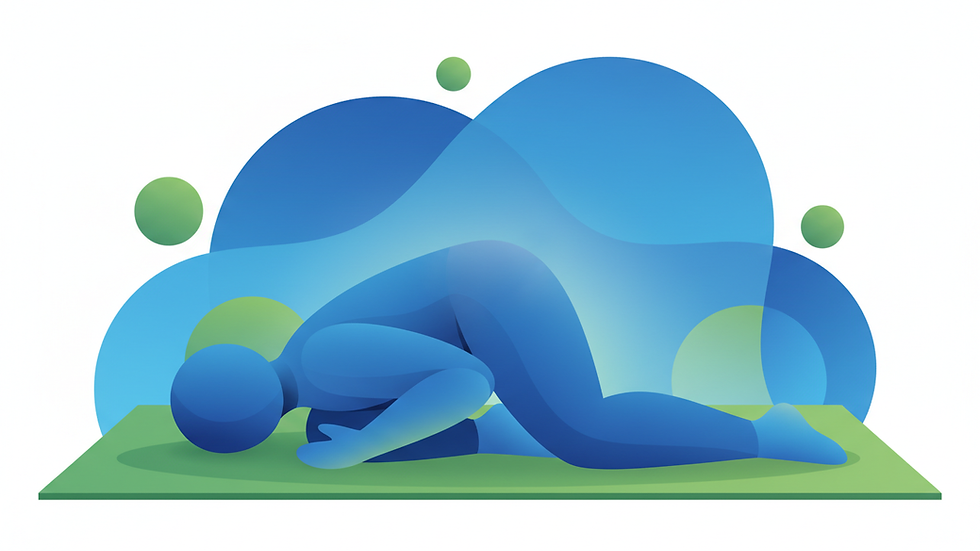
On your hands and knees, alternate arching your back towards the ceiling (cat) and dipping it towards the floor (cow). Move slowly and breathe deeply. This improves spinal flexibility and reduces stiffness.
Remember to move gently and stop if you feel sharp pain. Consistency is key, so try to do these exercises daily or as advised by a physiotherapist.
Additional Tips for Managing Sciatica Pain
Besides exercises and physical therapy, there are other practical steps you can take to ease your sciatica pain:
Maintain Good Posture: Keep your back straight and shoulders relaxed when sitting or standing. Use lumbar support cushions if needed.
Sleep Smart: Sleep on a firm mattress and try lying on your side with a pillow between your knees to reduce pressure on your lower back.
Stay Active: Avoid long periods of inactivity. Gentle walking or swimming can keep your muscles engaged without overstraining.
Mind Your Footwear: Wear supportive shoes that provide good arch support and cushioning.
Manage Stress: Stress can increase muscle tension, so practices like deep breathing, meditation, or yoga can help.
Seek Professional Help: If your pain persists or worsens, consulting a specialist can provide you with a personalised treatment plan.
If you’re looking for expert guidance, sciatica treatment relief options are available that focus on diagnosing the root cause and tailoring recovery plans to your needs.
Moving Forward with Confidence
Dealing with sciatica pain can feel overwhelming, but with the right approach, you can regain control over your body and your life. The key is to be patient and consistent with your pain relief methods. Combining physical therapy, targeted exercises, lifestyle changes, and professional support will give you the best chance of lasting relief.
Remember, every small step you take towards managing your sciatica counts. Whether it’s stretching for a few minutes each day or adjusting your sitting habits, these actions add up. You don’t have to let sciatica define your days. With the right care and attention, you can move forward with confidence and comfort.

Comments